













When embarking on a construction, landscaping, or DIY project, selecting the right building materials is crucial for the success and longevity of the work. Whether you are constructing a new deck, building a garden fence, or renovating your home, the quality of the materials you choose will directly affect the strength, durability, and aesthetic of the finished product.
Among the most important materials in construction and landscaping is timber. Timber supplies come in many grades, types, and finishes, each suited for different purposes. As a trusted timber merchant, Hales Sawmills is committed to providing high-quality timber and fencing materials, ensuring that you can find the right products for your project at competitive prices.
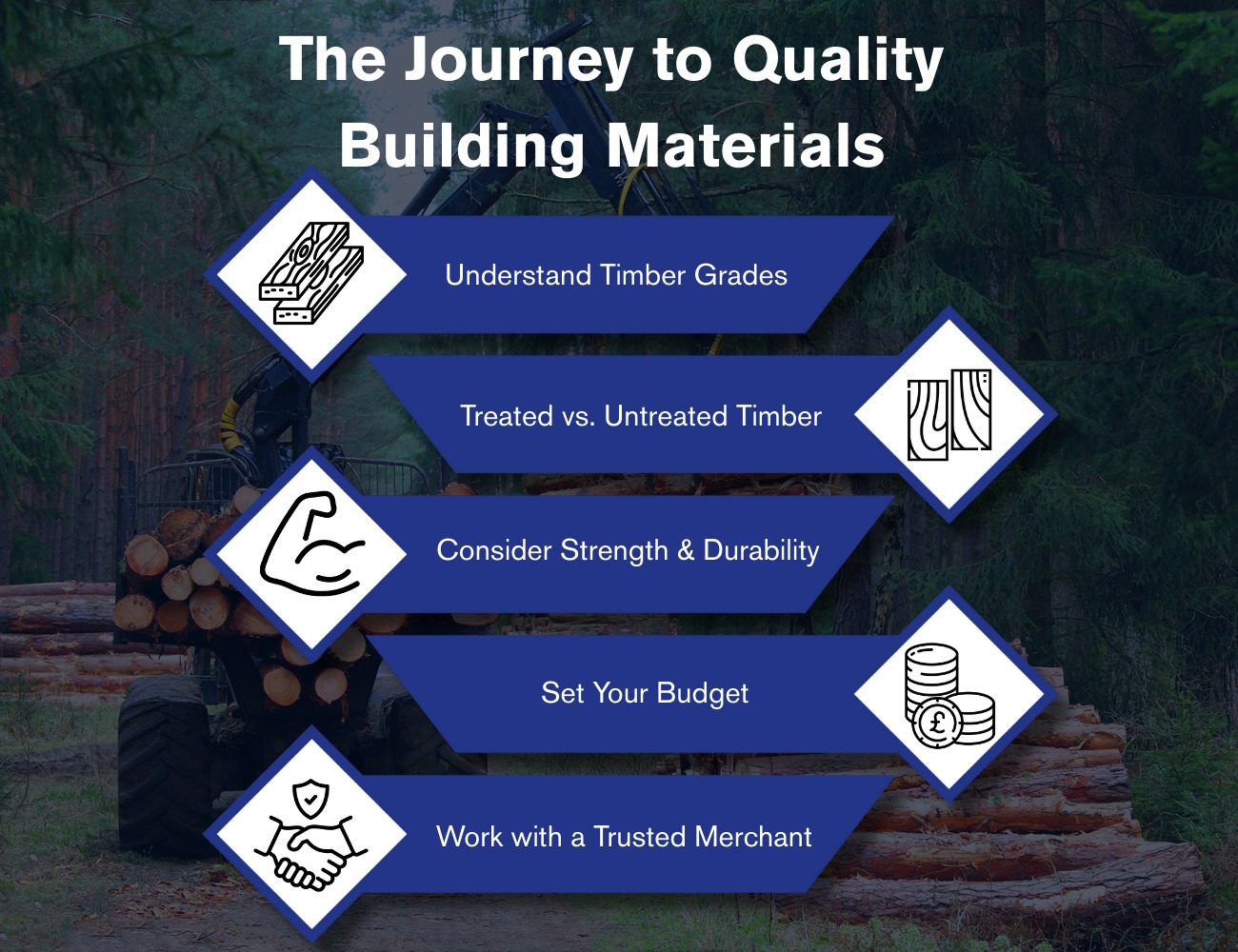
In this blog, we’ll explore the key considerations when choosing building materials, with a focus on timber, treated and untreated wood, and how to navigate the timber trade for the best results.
Choosing the Right Timber Quality for Your Project
One of the first things to consider when purchasing timber is its grade. Timber is graded based on its strength and quality, which makes it essential to choose the right grade for your specific application.
High-Grade Timber
High-grade timber is often used in projects where strength and appearance are critical. This type of timber is free from knots, cracks, and defects, making it ideal for visible elements like furniture, internal doors, or decorative beams.
Standard-Grade Timber
Standard-grade timber is suitable for a variety of general construction applications. It may have a few imperfections, but it still meets the necessary strength requirements for most building projects.
Structural Timber
This timber is graded specifically for use in load-bearing applications, such as framing, roofing, and flooring. It is important to ensure that the structural timber you choose meets the relevant building regulations to ensure the stability and safety of your project.
When choosing timber, it’s important to consult with a trusted timber merchant like Hales Sawmills, who can provide expert advice on the right grade for your specific needs. Timber grading can vary slightly depending on the type of timber, so knowing what each grade signifies will help ensure you make an informed decision.
Treated vs Untreated Timber: Which Is Right for Your Project?
Another significant consideration when selecting timber for your project is whether to choose treated or untreated wood. Both options have their uses, and understanding the differences between them is essential for the long-term durability of your work.
Treated Timber
Treated timber has been specially treated with preservatives to protect it from environmental factors such as moisture, insects, and fungal growth. This is particularly important for timber used in outdoor projects such as decking, fencing, and garden structures.
Pressure-Treated Timber
This is timber that has undergone a pressure treatment process, ensuring the preservative penetrates deep into the wood. This type of treated timber is ideal for ground contact, such as in fence posts and decking frames, as it will resist decay and insect attack.
Tanalised Timber
Tanalised timber is also pressure-treated with a specific preservative solution that helps prevent wood rot and fungal issues. It is particularly suited for outdoor applications like garden furniture, raised beds, and fences, where exposure to the elements is inevitable.
Treated timber is often more expensive than untreated wood but is a necessary investment for projects that will be exposed to the elements or require added longevity.
Untreated Timber
Untreated timber is wood that has not undergone any preservative treatment. While untreated timber is generally more affordable, it is not as resistant to decay, insects, or weathering. Therefore, it is best suited for indoor projects or those that will not come into direct contact with moisture.
If you plan to use untreated timber outdoors, it’s important to treat the wood yourself before installation. Wood preservatives, stains, and oils can help protect untreated timber from environmental damage, although the protection will not be as long-lasting as pressure-treated timber.
Selecting Timber for Strength and Durability
The strength and durability of timber are influenced by various factors, including wood species, moisture content, and grain structure. When selecting timber, it’s crucial to consider the specific demands of your project.
Wood Species
Different species of timber offer varying levels of strength and durability. For example, hardwoods like oak and ash are known for their strength and resistance to wear and tear, making them ideal for heavy-duty projects like flooring or structural beams. Softwoods like pine and spruce, on the other hand, are more lightweight and suitable for general construction purposes like cladding and framing.
Moisture Content
Timber naturally absorbs and loses moisture depending on the surrounding environment. For construction projects, it is essential to use timber with the appropriate moisture content to ensure it will not warp or shrink once installed. Kiln-dried timber is often preferred for indoor applications as it has a controlled moisture content that makes it more stable.
Grain Structure
The grain of the wood can also affect its strength. Straight, tight-grained timber is generally stronger and more durable than timber with irregular or loose grain patterns. When choosing timber for structural elements, always select boards with straight and tight grain for maximum strength.
Choosing the right timber with the appropriate balance of strength, durability, and appearance is key to ensuring that your project will stand the test of time. If you’re unsure which timber to select for your specific needs, Hales Sawmills can provide expert guidance to help you make an informed choice.
Budgeting for Your Timber Supplies
While quality should always be a top priority when selecting building materials, it’s also important to consider your budget. Timber can be expensive, especially when using high-grade or treated materials. To ensure you get the best value for your investment, here are a few tips.
Plan Ahead
Take the time to plan your project and calculate exactly how much timber you need. Overbuying can lead to unnecessary costs, while underbuying can result in delays and additional purchases.
Buy in Bulk
Many timber merchants, including Hales Sawmills, offer discounts for bulk purchases. If you’re planning a large project, purchasing your timber supplies in bulk can help reduce overall costs.
Consider Alternatives
If you’re working within a tight budget, consider using alternative materials for non-structural elements. For example, softwood or treated timber may suffice for fencing, while hardwood may be reserved for decorative or heavy-duty applications.
By carefully considering the materials you need, how much you need, and the type of timber best suited to your project, you can find a balance between quality and cost.
Working with a Trusted Timber Merchant
One of the most important factors in ensuring the success of your project is working with a trusted timber merchant. At Hales Sawmills, we pride ourselves on providing high-quality timber and fencing materials, backed by expert advice and exceptional customer service. Here’s how a trusted timber merchant can help with your project.
Reliable Supply
A reputable timber merchant will ensure that you have access to a consistent supply of quality materials. Whether you need treated timber for your fencing or high-grade timber for your decking, working with a trusted supplier like Hales Sawmills ensures that you won’t run into supply issues halfway through your project.
Product Consistency
A reputable merchant will provide timber that is consistently high quality. This consistency is crucial for projects that require uniformity in appearance and performance, such as large-scale construction projects or intricate landscaping designs.
Expert Advice
A trusted timber merchant will have a wealth of knowledge about timber grades, treatment methods, and the best materials for different applications. They can offer advice on selecting the right materials for your project and ensure that you are fully informed before making a purchase.
At Hales Sawmills, we are committed to helping our customers choose the best materials for their projects. Whether you’re building a garden fence or completing a home renovation, our team is here to provide expert guidance and reliable timber supplies.
Make Your Project a Success with Quality Materials
Choosing the right building materials is one of the most important decisions you’ll make for your construction, landscaping, or DIY project. By understanding timber grades, the differences between treated and untreated wood, and the importance of strength and durability, you can ensure that your materials are up to the task. Moreover, working with a trusted timber merchant like Hales Sawmills will give you access to high-quality supplies, expert advice, and competitive prices.
At Hales Sawmills, we offer a wide range of timber and fencing materials to suit every project. Whether you’re a DIY enthusiast or a professional contractor, we have the supplies you need to make your project a success. Contact us today to learn more about our timber supplies and get started on your next project!