













Outdoor wooden posts are the backbone of many garden structures, from fencing and gates to pergolas and decking. Whether you are installing new fencing materials or maintaining existing garden timber, protecting your posts from rot, moisture and insect damage is essential for long-term performance. With the right timber treatment and routine care, wooden posts can last for decades, even in the unpredictable British climate.
At Hales Sawmills, we supply high-quality treated and sawn timber suitable for a wide range of outdoor applications. In this guide, we explain how to treat and maintain wooden posts properly, how to choose between treated and untreated timber, and how to safely replace damaged posts when necessary.
Why Outdoor Wooden Posts Need Protection
Wood is a natural, durable material, but when used outdoors, it is constantly exposed to rain, frost, UV rays and fluctuating temperatures. Over time, untreated wooden posts can absorb moisture, leading to swelling, cracking and eventually rot. Ground contact poses the greatest risk, as damp soil creates ideal conditions for fungal decay.
Insects such as wood-boring beetles can also cause structural damage if timber is not properly protected. Without appropriate timber treatment, even high-quality sawn timber can deteriorate far sooner than expected.
The good news is that preventative care and regular maintenance significantly extend the lifespan of your garden timber. Whether you are installing a new fence or maintaining existing posts, investing time in protection will save money and effort in the long run.
Choosing Treated vs Untreated Timber
One of the first decisions to make when selecting wooden posts is whether to choose pressure-treated or untreated timber.
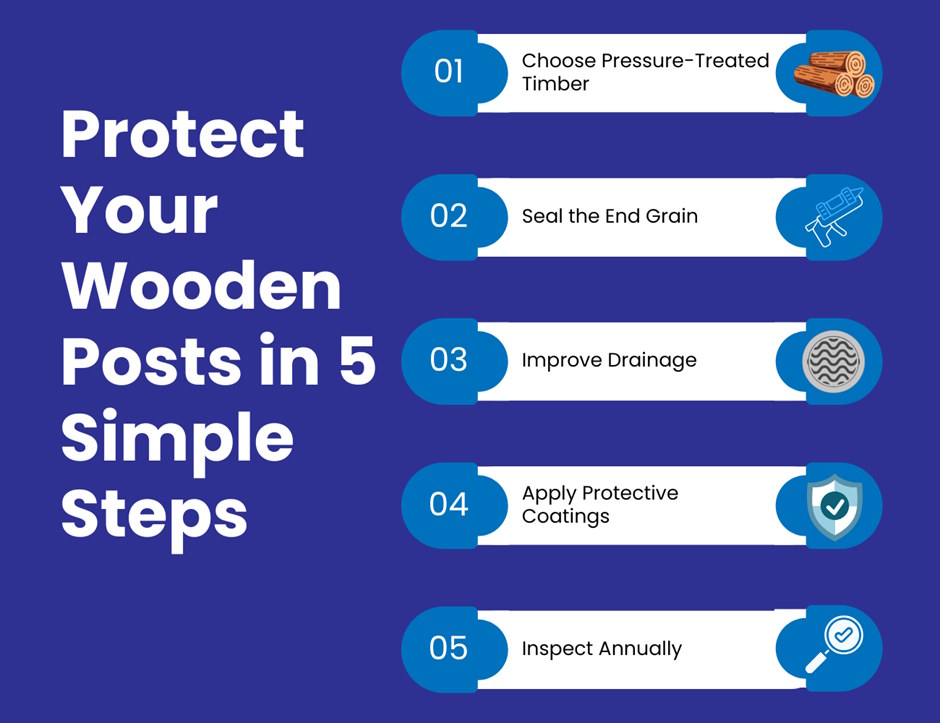
Pressure-treated timber has been infused with preservatives under high pressure, forcing protective chemicals deep into the wood fibres. This makes it highly resistant to rot, fungal decay and insect attack. For fencing materials and structural garden timber, pressure-treated posts are strongly recommended, particularly for ground contact use.
Untreated sawn timber may be suitable for certain above-ground applications, but it must be treated thoroughly before outdoor installation. If you choose untreated posts, you will need to apply a high-quality wood preservative before installation and maintain it regularly thereafter.
For most fencing projects, opting for treated timber from the outset offers peace of mind and reduces ongoing maintenance requirements. At Hales Sawmills, our treated timber posts are prepared to withstand demanding outdoor conditions, making them ideal for domestic and trade projects alike.
Preparing Wooden Posts Before Installation
Proper preparation is crucial, even when using treated wooden posts. Before installation, inspect each post for splits, cracks or damage that could allow moisture penetration.
If using untreated sawn timber, apply a solvent-based or water-based wood preservative to all surfaces, paying particular attention to the end grain. The end grain absorbs moisture more readily than the sides, so sealing it thoroughly is essential.
For posts that will be set into the ground, applying an additional bitumen-based coating or post protector sleeve to the buried section provides extra defence against soil moisture. Allow treatments to dry fully before installation to ensure maximum effectiveness.
Taking these steps at the beginning significantly reduces the risk of premature rot and structural failure.
Installing Posts with Proper Drainage
Correct installation plays a major role in protecting wooden posts from moisture damage. Even the best timber treatment cannot compensate for poor drainage.
When setting posts in the ground, dig a hole deep enough to provide stability, typically around one-third of the post’s total length. Adding a layer of gravel at the base improves drainage and helps prevent water from pooling around the timber.
Concrete can be used to secure posts firmly in place, but it is important to slope the top of the concrete away from the post. This prevents water from collecting at the base, which is one of the most common causes of rot in fencing materials.
Where possible, ensure soil levels are slightly below the top of the concrete collar to allow rainwater to drain away freely.
Ongoing Maintenance and Timber Treatment
Regular inspection is key to extending the life of outdoor wooden posts. At least once a year, ideally in spring, examine your fencing materials for signs of damage. Look for soft spots, discolouration, cracking or fungal growth, especially at ground level.
Even pressure-treated garden timber benefits from periodic re-treatment. Applying a high-quality exterior wood preservative every few years helps reinforce protection and maintain appearance. Clear or coloured preservatives are available depending on whether you wish to enhance the natural grain or change the finish.
In addition to preservative treatments, applying exterior wood oils or paints can further shield timber from moisture and UV damage. Exterior oils penetrate the wood, nourishing it while repelling water. Paints and stains form a protective surface barrier and can refresh the overall look of your fencing.
Before applying any product, clean the timber thoroughly and allow it to dry. Remove dirt, algae and loose paint to ensure good adhesion and even coverage.
Protecting Posts from Insect Damage
Although rot caused by moisture is the most common issue in the UK, insect damage can also affect wooden posts. Using treated timber significantly reduces this risk, as preservatives deter wood-boring insects.
If you notice small holes, fine dust or weakening timber, apply an appropriate insecticidal wood treatment as soon as possible. Severely damaged posts may need replacing to maintain structural integrity.
Maintaining dry conditions around your fencing and garden timber further discourages insect infestation, as many wood-destroying insects thrive in damp environments.
When and How to Replace Damaged Posts
Despite best efforts, wooden posts may eventually require replacement. If a post becomes unstable, severely cracked or rotten at the base, it should be replaced promptly to prevent further damage to fencing panels or gates.
Begin by removing attached panels or rails carefully. Break away any concrete surrounding the damaged post and extract it from the ground. Take care when using tools such as breakers or saws, and always wear appropriate protective equipment.
Once removed, prepare the hole with fresh gravel for drainage and install a new treated timber post, ensuring it is level and securely set. Using high-quality fencing materials from the outset will reduce the frequency of future replacements.
If you are unsure about structural work, seeking professional advice can help ensure safety and long-term stability.
Extending the Life of Your Garden Timber
Beyond posts themselves, maintaining the entire fencing system contributes to durability. Keep surrounding vegetation trimmed back to promote airflow and reduce prolonged dampness. Avoid piling soil or mulch against posts, as constant moisture contact accelerates decay.
Cleaning fencing annually with a gentle wash removes dirt and organic growth that can trap moisture. Reapply protective finishes as required, following manufacturer guidelines.
With proper care, well-chosen sawn timber and treated wooden posts can remain strong and visually appealing for many years.
Invest in Quality Timber from the Start
The longevity of outdoor wooden posts begins with selecting the right products. Choosing high-quality, pressure-treated timber from a trusted supplier ensures you are starting with materials designed to withstand British weather conditions.
At Hales Sawmills, we stock a wide range of fencing materials, treated garden timber and sawn timber suitable for everything from domestic fencing to large-scale landscaping projects. Whether you are replacing a single post or planning a full garden transformation, our expert team can help you select the right timber treatment options for lasting results.
If you are preparing for a fencing project or need advice on maintaining your existing wooden posts, get in touch with us today or visit one of our Shropshire branches. We are here to help you protect your investment and keep your outdoor timber performing at its best.